Did you know that over 3.5 million people in the U.S. engage as truck drivers? The truck driver lifestyle offers not only job security but also a unique set of challenges and rewards that you won’t find in any other field. As you start on this journey, you’ll need to master essential skills and learn how to manage the demands of long hauls, all while keeping your health and relationships intact. But how exactly do you balance the intense demands of the road with a fulfilling personal life? Let’s explore the strategies that can help you thrive in this demanding yet rewarding profession.
Key Takeaways
- Truck drivers often experience high job security and opportunities for career advancement within the industry.
- Essential skills for truck drivers include safety awareness, time management, and adaptability to long hours on the road.
- Challenges such as extended time away from family and strict regulatory compliance are common, requiring coping strategies and strong communication skills.
- Maintaining health on the road is crucial, involving proper nutrition, regular physical activity, and mental health care.
- Networking and using technology effectively can enhance job performance and provide crucial support and connections within the trucking community.
Understanding the Trucking Industry

If you’re seeking a stable career with growth potential and don’t mind being on the road, truck driving might be the perfect fit for you.
The trucking industry is essential, keeping the economy humming by transporting goods everywhere, every day. As a truck driver, you’re the backbone that industries rely on to get their products to market on time.
With high demand for drivers, you’ll find job security isn’t a concern. Plus, trucking companies often provide clear paths to advance, whether you’re aiming to become a trainer or move into logistics management.
What’s more, you don’t need a high-level degree to start, making this accessible if you’re keen to begin a rewarding career quickly.
Best For: Individuals looking for a stable and accessible career path that offers growth opportunities and the ability to support the economy by ensuring timely delivery of goods.
Pros:
- High job security due to constant demand for truck drivers.
- Opportunities for career advancement within the trucking industry.
- Accessible career path with lower educational requirements.
Cons:
- Extensive time away from home can strain family relationships.
- Irregular hours and long periods on the road can lead to health issues.
- Financial instability during the initial training phase.
Essential Skills for Truck Drivers
Mastering essential skills is important if you’re considering a career in truck driving, where both safety and efficiency are paramount. You’ll need excellent time management skills to efficiently plan routes, schedule deliveries, and determine rest stops.
Strong communication is also essential; you’ll constantly coordinate with dispatch, customers, and other drivers to guarantee smooth operations.
Moreover, problem-solving abilities are indispensable. You’ll face unexpected challenges like road closures or vehicle issues, and you’ll need to think on your feet.
Safe driving skills are non-negotiable; mastering defensive driving techniques can save lives.
Lastly, be adaptable. Weather conditions, traffic, and changing delivery schedules demand flexibility. Sharpen these skills, and you’ll be well on your way to a successful career in trucking.
Best For: Individuals seeking a challenging yet rewarding profession that requires a blend of practical skills and adaptability.
Pros:
- Offers the opportunity to travel and see different places.
- High demand for truck drivers ensures job security.
- Potential for high earnings as experience increases.
Cons:
- Long hours and extended time away from home can strain family relationships.
- Stressful situations due to traffic, deadlines, and unexpected road conditions.
- Physical health challenges related to long periods of sitting and irregular sleep patterns.
Navigating Long Haul Challenges
Managing long haul challenges is essential if you’re considering truck driving as your career path, since it involves extensive travel and strict regulatory compliance. You’ll typically cover 500 miles daily, adding up to nearly 128,000 miles annually.
Your truck’s cabin, equipped with basics like refrigerators and microwaves, becomes your mobile home, much like an early Apollo space capsule.
Finding decent parking and accommodations can be tough, so plan ahead to avoid last-minute hassles. Remember, federal rules require you to take 10 off-duty hours after 11 hours of driving within a 14-hour workday.
You’ll likely spend 2-3 weeks on the road before heading home for a short break. Stay organized, stay compliant, and keep rolling safely.
Best For: Individuals who are adaptable, can handle long periods away from home, and are committed to managing the challenges of a truck driving career.
Pros:
- Equipped cabins provide essential comforts for long hauls.
- Comprehensive federal regulations ensure mandatory rest periods.
- Opportunity to travel extensively and see different parts of the country.
Cons:
- Difficulties in finding suitable parking and accommodations.
- Extended periods away from family can strain relationships.
- Strict adherence to regulatory compliance can be stressful.
The Importance of Safety Training
Safety training is essential for every truck driver to minimize accidents and comply with regulatory standards. You’re not just learning to drive; you’re mastering the skills to keep yourself and others safe on the road. The Federal Motor Carrier Safety Administration (FMCSA) mandates it because they know that well-trained drivers mean safer roads.
Your training will cover critical topics like defensive driving, accident prevention, cargo securement, and hours-of-service regulations. Each module is designed to help you recognize and respond to potential hazards effectively.
Remember, ongoing training isn’t just a formality; it’s your ongoing defense against the risks of the road. It keeps your skills sharp and your safety awareness at its peak. Stay trained, stay safe.
Best For: Individuals seeking a career in truck driving and looking to enhance their safety skills while complying with FMCSA regulations.
Pros:
- Enhances safety on the roads by training drivers in defensive driving and accident prevention.
- Meets all FMCSA regulations, ensuring drivers are fully compliant and knowledgeable.
- Regular updates in training keep drivers equipped with the latest safety techniques and awareness.
Cons:
- Requires ongoing commitment to attend regular training sessions, which may be time-consuming.
- Potential additional costs for continuous training programs.
- Can be stressful for drivers to constantly update their skills and knowledge.
Coping With Solitude on the Road
If you thrive in self-reliant environments, the truck driver lifestyle, with its long stretches of solitude, might just suit you perfectly. But remember, it’s not just about driving; it’s about managing the loneliness that can creep in when you’re miles away from loved ones.
Staying connected is key. Make regular calls, use video chats, and stay active on social media to bridge the gap with family and friends.
You’ll also need to be patient and keep stress at bay. Develop hobbies that fit into your trucking schedule, like listening to audiobooks or podcasts, to keep your mind engaged.
And most importantly, accept that solitude can be both a challenge and an opportunity to grow.
Best For: Individuals who are self-reliant and can manage their time and emotions effectively while spending long periods alone.
Pros:
- Offers valuable insights into balancing work and family life for truck drivers.
- Provides strategies for maintaining communication and strong relationships despite physical distance.
- Highlights the importance of personal development through hobbies and stress management techniques.
Cons:
- Extended periods away from home can still strain personal relationships.
- The solitude inherent in trucking can lead to feelings of loneliness and isolation.
- Reliance on digital communication cannot fully replace face-to-face interactions.
Staying Healthy While Driving
For truck drivers, staying hydrated and snacking on healthy options are essential to counter the inactive nature of long-haul routes. You’ve got to keep water handy and choose snacks like fruits and nuts over junk food. Don’t forget to pull over and stretch every few hours. This isn’t just about comfort; it’s about keeping your muscles from cramping and maintaining blood flow.
Make sure you’re getting plenty of sleep too. A well-rested driver is a sharp driver. Adjust your seat and wheel to avoid strain on your back—trust me, your body will thank you later.
Lastly, keep your mind healthy. Listen to a podcast, an audiobook, or some tunes to help the miles fly by without the stress.
Best For: Truck drivers seeking strategies to maintain a healthy lifestyle while managing the demands of long-haul routes.
Pros:
- Encourages proper hydration and nutrition which are crucial for overall health.
- Offers practical tips for physical activity to combat the sedentary aspect of driving.
- Provides advice for mental health care, essential for long periods on the road.
Cons:
- Requires discipline and routine, which can be challenging to establish.
- May not address all personal health issues specific to individual drivers.
- Dependence on available rest areas for stretching and breaks can be limiting.
Tips for Eating on the Road
Meal planning is essential for truck drivers looking to maintain a healthy diet and manage expenses while on the road. By using portable cooking appliances like slow cookers and portable grills, you can whip up meals right in your truck, saving you money and keeping you from relying on fast food.
Pack non-perishable snacks such as nuts, fruits, and protein bars for quick, nutritious options between stops. When possible, visit grocery stores and farmers’ markets along your route to stock up on fresh, affordable foods.
Lastly, always carry a reusable water bottle to stay hydrated, and avoid sugary drinks that can lead to energy crashes. These strategies will help you eat well and feel better throughout your journeys.
Best For: Truck drivers seeking practical advice on maintaining a healthy diet and managing food expenses while on long hauls.
Pros:
- Enables healthier eating habits by avoiding fast food
- Saves money by reducing the need to eat out frequently
- Provides flexibility and variety in diet with the use of portable cooking appliances
Cons:
- Requires initial investment in portable cooking appliances
- Needs planning and time for meal preparation
- Limited storage space for fresh ingredients in trucks
Maintaining Relationships From Afar
Staying connected with loved ones becomes essential when embracing the truck driver lifestyle, where maintaining relationships from afar hinges on consistent communication through calls, texts, and video chats. You’ll find that regularly reaching out not only keeps you grounded but also strengthens your bonds.
Make sure to schedule visits during your home time and consider sending thoughtful gifts that remind them of your affection. Utilize social media and messaging apps to share moments and stay involved in daily life. It’s vital to build trust, show understanding, and maintain open communication.
Prioritize quality time during home visits, ensuring those moments are meaningful. This balance helps sustain your relationships alongside the demands of your trucking career.
Best For: Individuals embarking on a truck driving career who seek to maintain strong family and personal relationships despite frequent absences.
Pros:
- Enhances communication skills through regular use of various platforms.
- Strengthens emotional bonds by prioritizing relationships during home time.
- Offers practical strategies for integrating work life with family commitments.
Cons:
- Requires consistent effort and time management, which can be challenging on the road.
- May lead to feelings of loneliness and isolation due to physical separation.
- Dependence on technology for communication can sometimes be unreliable.
Technology Tools for Truckers
Truckers often rely on technology tools to optimize their routes and manage their schedules efficiently. GPS navigation systems are indispensable, providing you with the best routes and real-time traffic updates to avoid delays.
Don’t forget the importance of Electronic Logging Devices (ELDs); they’re essential for tracking your hours of service and staying compliant with the law.
Moreover, trucking apps are your best friend on the road. They offer load matching, which helps you find cargo efficiently, and fuel optimization to cut costs. Maintenance tracking features guarantee your truck stays in top shape.
To conclude, telematics systems are essential, giving you insights into vehicle performance and fuel efficiency, which help you drive more safely and economically.
Best For: Truck drivers looking to enhance efficiency, ensure compliance, and maintain connectivity on the road.
Pros:
- GPS navigation systems streamline route planning and provide real-time traffic updates.
- Electronic Logging Devices (ELDs) ensure regulatory compliance and accurate tracking of hours.
- Trucking apps optimize load management, fuel usage, and vehicle maintenance.
Cons:
- Dependence on technology can lead to challenges if systems fail or malfunction.
- Initial setup and regular updates of apps and devices may require additional time and resources.
- Over-reliance on automated systems might reduce critical thinking and situational awareness skills.
Managing Finances as a Driver

To effectively manage your finances as a truck driver, creating a detailed budget is essential. You must keep track of your irregular income and road expenses. Understanding tax deductions, per diem rates, and reimbursements can greatly enhance your financial health. It’s critical to set aside funds for unexpected costs such as truck repairs, emergencies, and healthcare.
Make use of financial tools and resources to streamline your budgeting. They’ll help you save and invest wisely, securing your future. Don’t overlook the importance of planning for these unpredictable expenses—they can derail your finances if you’re not prepared.
With a solid budget in place, you’ll navigate financial ups and downs more smoothly.
Best For: Truck drivers seeking strategies to manage their finances more effectively while on the road.
Pros:
- Provides a framework for creating a detailed budget to handle irregular income and expenses.
- Enhances understanding of tax deductions, per diem rates, and reimbursements to maximize financial benefits.
- Helps in planning for unexpected costs, ensuring financial stability.
Cons:
- Requires time and diligence to maintain accurate financial records.
- May be challenging for drivers who are not familiar with financial planning and tools.
- Unexpected expenses can still be a significant burden despite careful planning.
Downtime: Maximizing Rest Periods

Maximizing the 8 to 10 hours of rest during a 14-hour shift is essential for truck drivers to maintain alertness and safety on the road. You’ve got to plan your downtime strategically to stick to federal regulations and keep a healthy balance between work and life.
Use these hours wisely—prep your meals, catch up on exercise, run personal errands, or simply unwind. It’s your chance to recharge both physically and mentally.
Remember, these rest periods aren’t just for sleep; they’re a valuable opportunity to connect with loved ones or immerse yourself in your hobbies. Keep it balanced and make every hour count to stay sharp and refreshed for the long haul ahead.
Best For: Truck drivers seeking strategies to optimize their rest periods for improved safety, well-being, and work-life balance.
Pros:
- Enhances road safety by ensuring drivers are well-rested and alert.
- Supports a healthier work-life balance through effective time management.
- Provides opportunities for personal activities that contribute to mental and physical well-being.
Cons:
- Requires strict time management that may be challenging during unpredictable schedules.
- Might be difficult to fully disconnect and relax during shorter or irregular rest periods.
- Dependence on available facilities for activities like meal preparation and exercise can be limiting.
Networking With Other Truck Drivers
Why not expand your horizons and network with other truck drivers to gain insights and opportunities in your driving career? Joining online forums or social media groups specifically for truck drivers can be a great start.
Here, you’ll find a supportive network of peers who understand the unique challenges you face on the road. Additionally, attending trucking events, conferences, or local meetups can offer valuable opportunities to connect face-to-face with other drivers.
Sharing your experiences and the challenges you’ve overcome can help build camaraderie and a strong sense of community. Furthermore, these connections can lead to new job opportunities, collaborations, or even lifelong friendships.
Don’t underestimate the power of a good chat at a truck stop or sharing a meal; these moments can open doors.
Best For: Truck drivers looking to enhance their careers through community support and networking opportunities.
Pros:
- Provides a platform to exchange tips and advice with experienced peers.
- Offers emotional support by connecting with others who understand the lifestyle.
- Can lead to new job opportunities and professional growth.
Cons:
- Time-consuming, which might be challenging with a trucker’s schedule.
- May encounter conflicting or misleading information.
- Limited internet access while on the road can restrict participation in online forums.
Advancement Opportunities in Trucking
For truck drivers aiming to elevate their career, numerous advancement opportunities await within the industry. If you’re driven and dedicated, consider shifting from a company driver to an owner-operator or even a fleet manager. Many companies provide specialized training programs, allowing you to explore roles like tanker or hazmat hauling. You’ll need specific endorsements, such as doubles/triples or tanker, to broaden your horizons and secure these specialized gigs.
Experienced? You could progress into training new drivers, managing safety protocols, or overseeing dispatch operations. These shifts not only offer a bump in pay but also bring increased responsibility and a more diverse daily routine, paving the way for a truly rewarding career path in trucking.
Best For: Individuals in the trucking industry looking to expand their career opportunities and increase their earning potential.
Pros:
- Opportunities to become an owner-operator or fleet manager.
- Specialized training programs for roles like tanker or hazmat hauling.
- Potential for higher pay and more job responsibility.
Cons:
- Requires obtaining specific endorsements which may be time-consuming.
- Transitioning roles may involve initial financial investment.
- Increased responsibility can lead to greater job stress.
Preparing for Retirement From Trucking
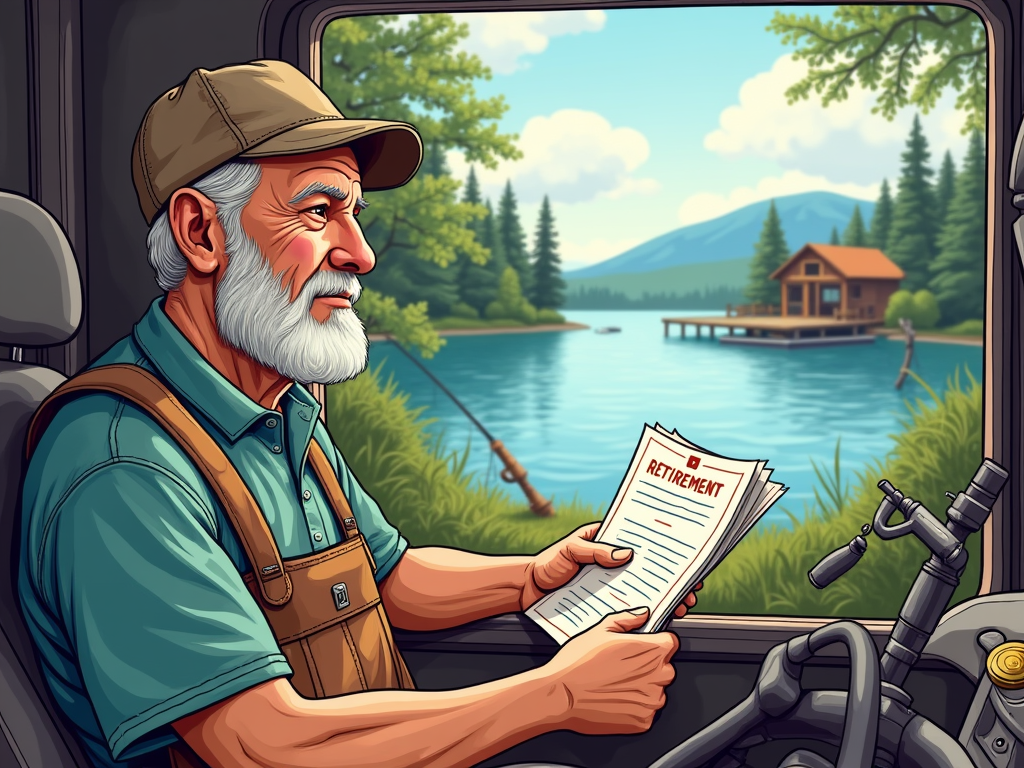
As a truck driver, you’ll find that early retirement planning is important due to the physically demanding nature of your job. It’s wise to start setting aside a portion of your earnings now to guarantee financial stability later. Consider options like IRAs or 401(k) plans which can greatly enhance your savings over time.
Don’t underestimate the wear and tear your body endures; this could mean having to retire earlier than expected. Understanding the impact of your daily routines on your long-term health is vital.
That’s why you should also think about consulting with a financial advisor or retirement planning professional. They can offer personalized advice and help you navigate through the various investment opportunities to secure a comfortable retirement.
Best For: Truck drivers seeking to manage their career longevity and ensure financial security post-retirement.
Pros:
- Encourages early and proactive retirement planning.
- Provides a variety of investment options to diversify savings.
- Offers access to professional advice for customized planning.
Cons:
- Requires consistent financial commitment which might be challenging.
- Investment options may vary in risk and return profiles.
- Dependence on financial advisors might incur additional costs.
Frequently Asked Questions
What Is the Trucking Lifestyle Like?
Your lifestyle is like being a captain charting unknown waters, constantly steering through long hours and solitude.
You’ll live mostly on the road, facing weather challenges and managing tight schedules. It’s vital to maintain patience, plan meticulously, and make sure your rig is your second home.
Balancing life and work requires strong communication with loved ones, making those rare home visits precious and essential for recharging.
How Would You Describe the Life of a Truck Driver?
As a truck driver, you’ll face long hours on the road, often away from family and friends. Your life revolves around strict schedules to meet delivery deadlines, and you must adapt to various challenges like weather, traffic, and solitude.
Maintaining relationships and managing stress are essential. Despite the hardships, the freedom of the open road and the ability to see different places can make it a unique and rewarding lifestyle.
What Is the Average Lifespan of a Truck Driver?
As a truck driver, you’re likely aware that your occupation can influence your lifespan. Typically, truck drivers have a shorter average lifespan, around 61-70 years, compared to the general population.
This reduction is due to factors like long driving hours, stress, and a generally sedentary lifestyle. However, adopting healthier habits such as regular exercise and a balanced diet can help mitigate these risks and potentially extend your lifespan.
Do Truck Drivers Have a Good Life?
You might wonder if truck drivers have a good life. It really depends on personal preferences. You’d experience freedom on the open road, potentially good pay, and flexible schedules.
However, you’d also face long periods away from home, which can strain family relationships. If you thrive in solitude and enjoy traveling, truck driving can be fulfilling. But it’s important to manage work-life balance to maintain your overall well-being.
Conclusion
As you navigate the truck driving landscape, remember: it’s not just about steering a vehicle. It’s about steering your life. Balance the demands with self-care, and use your downtime wisely.
Connect with fellow drivers; they’re your road family and resource network. Embrace each mile as a step toward future opportunities, and always plan for the road ahead, including retirement.
Your journey is as rewarding as you make it—drive it well.