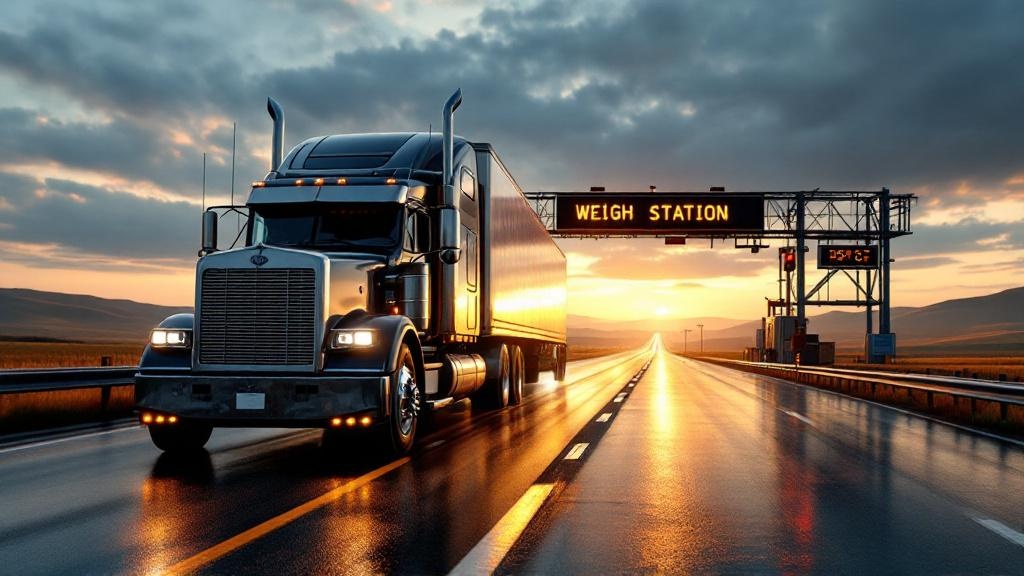
You may be surprised to learn that non-English-speaking drivers are losing their Commercial Driver’s Licenses (CDLs) at an alarming rate due to stricter language proficiency regulations. This crackdown isn’t just a bureaucratic issue; it directly impacts safety on our roads. With increasing roadside inspections, many drivers are caught in a web of language barriers. What does this mean for the future of these drivers and the safety of our highways?
Key Takeaways
- The FMCSA mandates English proficiency for commercial drivers to mitigate language barriers that can lead to accidents and miscommunication on the road.
- Increased inspections are targeting non-English-speaking drivers, with language assessments raising scrutiny during roadside checks.
- Failing language assessments can result in the immediate loss of commercial driver’s licenses (CDLs), impacting drivers’ livelihoods and families.
- Poor communication during driving can lead to missed road signs and safety warnings, escalating the risk of severe accidents.
- Stricter enforcement of CDL regulations aims to ensure all drivers understand road rules and safety instructions, responding to public safety concerns.
Introduction — This Isn’t About Politics, It’s About Safety on the Road
Every driver should care about safety on the road, regardless of language.
Real-world challenges in communication can lead to dangerous situations, and addressing these issues is essential.
Let’s focus on keeping our roads safe, rather than getting caught up in political debates.
Why Every Driver Should Care
While many might see the issue of non-English-speaking drivers losing their commercial driver’s licenses (CDLs) as a political debate, it fundamentally revolves around road safety.
Every driver should care about this because effective driver communication is essential for preventing accidents. When communication breaks down, misunderstandings can lead to dangerous situations on the road. You want to share the road with drivers who understand the rules and can react appropriately in emergencies.
Safety isn’t just a personal concern; it’s a collective responsibility. By advocating for clear communication and inclusivity, you’re supporting a safer environment for all.
Embracing diverse drivers enhances our roads, creating a community where everyone’s well-being is prioritized. Road safety is everyone’s right.
Real-World Challenges Communicating on the Road
When language barriers exist on the road, safety can quickly become compromised. You might find yourself in situations where clear driver communication is crucial. Imagine maneuvering a busy intersection or responding to an emergency vehicle while struggling to understand instructions. This disconnect can lead to confusion, misinterpretation, and accidents.
Every driver deserves the right to feel empowered and safe behind the wheel, yet language barriers create real-world challenges that can’t be ignored. The freedom of the road should be accessible to everyone, regardless of their native tongue.
It’s essential to address these barriers head-on, fostering an environment where every driver can communicate effectively. After all, our collective safety depends on clear understanding and cooperation among all road users.
Safety First, Not Politics
Safety on the road isn’t a political issue; it’s a fundamental concern that affects everyone. When it comes to safety regulations, clear communication is essential. If drivers can’t understand each other or the rules, the risk rises.
Here’s why addressing this is important:
- Preventing Accidents: Misunderstandings can lead to dangerous situations; drivers need to grasp instructions fully.
- Building Trust: A shared understanding among all drivers fosters a safer environment for everyone on the road.
- Reducing Isolation: Non-English-speaking drivers shouldn’t feel marginalized; bridging communication barriers enhances safety for all.
Focusing on these aspects isn’t about politics; it’s about ensuring every driver can operate safely, effectively, and freely.
Let’s prioritize safety over division.
The CDL and English — What the Rules Actually Say (And Why They Exist)
When it comes to obtaining a Commercial Driver’s License (CDL), understanding the FMCSA’s language requirement is essential.
This rule exists to guarantee that drivers can communicate effectively on the road, as clear communication is critical for safety.
Let’s explore the reasons behind this requirement and the potential consequences of not meeting it.
FMCSA’s Language Requirement Explained
Although many drivers may be skilled behind the wheel, the Federal Motor Carrier Safety Administration (FMCSA) mandates that all commercial drivers must demonstrate a certain proficiency in English to ensure effective communication on the road.
This requirement aims to address critical issues like:
- Language Barriers: Overcoming communication hurdles ensures that drivers can understand road signs and instructions clearly.
- Safety Implications: Proficient communication enhances safety assessments, reducing risks on the road.
- Regulatory Compliance: Adhering to communication standards is essential for driver training and enforcement measures.
These testing procedures aren’t just bureaucratic—they’re rooted in a policy rationale that seeks to create a safer driving environment while acknowledging cultural differences.
Embracing this standard can empower all drivers to navigate the road with confidence and clarity.
The Purpose Behind the Rule
Understanding the rationale behind the FMCSA’s English language requirement is key to grasping its significance for commercial drivers. The motivation for this rule primarily stems from a safety rationale aimed at protecting both drivers and the public. When drivers can communicate effectively, they can better respond to situations, follow regulations, and ensure the safety of everyone on the road.
| Rule Motivation | Safety Rationale |
|---|---|
| Clear communication | Preventing accidents |
| Understanding signs | Following instructions |
| Responding to emergencies | Enhancing road safety |
| Managing regulations | Promoting traffic harmony |
| Interacting with law enforcement | Building trust |
Why Communication is Critical
Effective communication is essential for commercial drivers, as it directly impacts their ability to navigate the complexities of the road.
Without clear understanding, language barriers can lead to dangerous situations.
Here are three key reasons why communication matters:
- Safety: Misunderstandings can result in accidents or violations, putting you and others at risk.
- Compliance: Clear communication guarantees you understand regulations, helping you avoid fines or losing your CDL.
- Efficiency: Using effective communication tools enhances your ability to coordinate with dispatch and fellow drivers, streamlining operations.