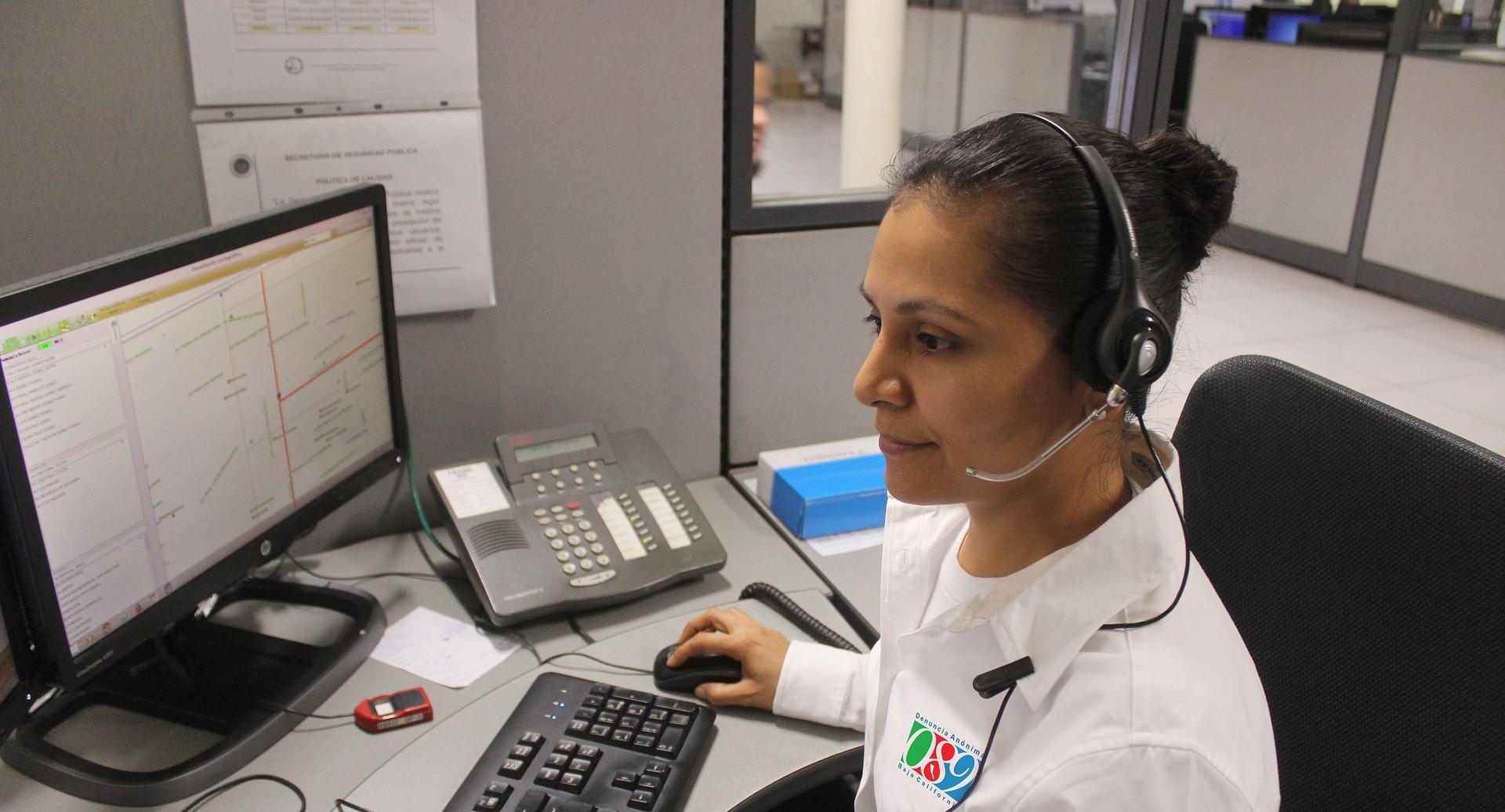
Become a Truck Dispatcher
About 87% of freight moves via trucks in the U.S., so getting truck dispatcher training puts you at the center of an essential industry. You’ll need clear communication, route-planning instincts, and facility with TMS and load boards to succeed. Start with focused training, get hands-on experience with a mentor, and build a network of carriers and shippers. Learn the compliance basics and daily workflows now, and you’ll be ready to step into your first role—here’s how to proceed.
Key Takeaways
- Learn essentials: logistics basics, HOS rules, route planning, and communication to manage drivers, loads, and regulations effectively.
- Gain practical skills by training on a TMS, load boards, ELDs, GPS telematics, and common dispatch software.
- Build experience via apprenticeships, entry-level roles, or mentoring with experienced dispatchers to handle real-world problems.
- Acquire credibility through targeted certifications, a capability sheet, and networking with owner-operators and small fleets.
- Establish disciplined workflows: daily HOS checks, load confirmations, documentation, contingency plans, and end-of-day reviews.
Why Truck Dispatcher Training Makes Sense
Even if it’s not the flashiest job, a career in truck dispatching makes sense because you’ll coordinate operations that keep freight moving and directly impact a company’s bottom line. You’ll tap into dispatching benefits like predictable demand, scalable responsibility, and measurable performance metrics that translate into steady pay and advancement. You’ll leverage clear systems to free yourself from chaos, using routing and load planning to claim control over your schedule and impact. Industry growth keeps opportunities expanding, so you can move into specialized lanes, tech-enabled roles, or management as networks evolve. You’ll find agency in solving logistical puzzles, translating operational clarity into financial outcomes, and building a resilient, upward career path without sacrificing autonomy.
Essential Skills Every Dispatcher Needs
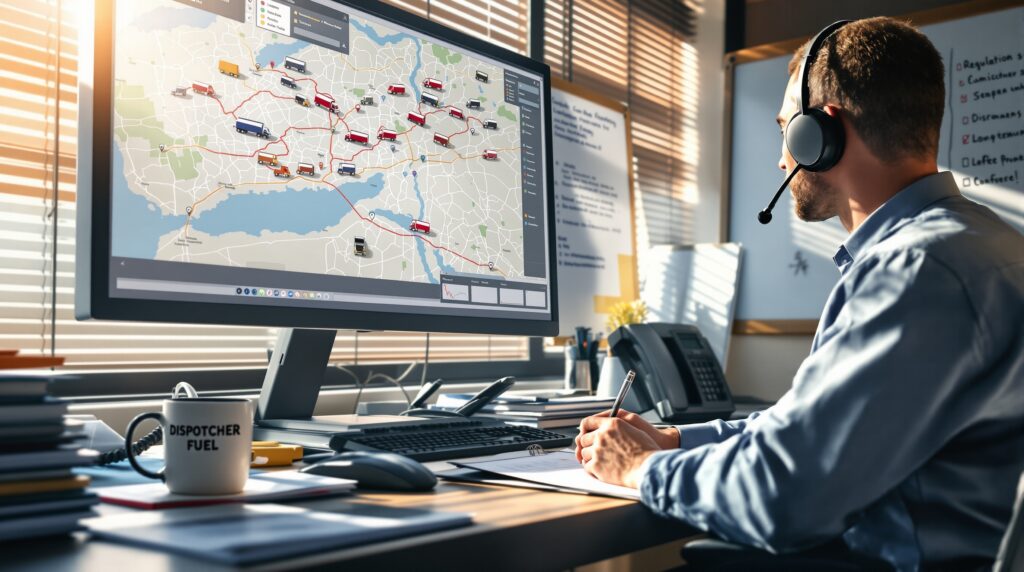
You’ll need razor-sharp communication and coordination to keep drivers, shippers, and receivers aligned and moving on schedule. You’ll also master route-planning skills—optimizing mileage, fuel use, and delivery windows while anticipating delays. Together these abilities let you solve problems fast and keep operations efficient.
Communication and Coordination
When routes shift or a truck breaks down, clear, timely communication and tight coordination keep loads moving and delays minimal. You’ll use effective messaging to relay concise updates to drivers, customers, and managers, cutting confusion and empowering quick action. You’ll insist on confirmed receipts and short, structured check-ins so nothing slips through. Team collaboration matters: you’ll coordinate mechanics, dispatchers, and warehouse staff to reassign loads or reroute assets without bottlenecks. You’ll document decisions in real time, track outcomes, and refine protocols to reduce friction. You’ll champion transparent communication channels and predictable response windows, freeing your team from reactiveness. Mastering these habits gives you control, reduces wasted hours, and creates operational freedom for everyone involved.
Route Planning Skills
Clear communication sets the stage for smart route planning, because reroutes and delays demand quick, sensible adjustments rather than guesswork. You’ll master route optimization techniques to free drivers from wasted miles and time, prioritizing loads, delivery windows, and fuel efficiency. Use mapping tools and real-time traffic feeds, but don’t outsource judgment: apply geographical knowledge to anticipate chokepoints, legal restrictions, and regional driver hour rules. Create contingency plans for weather, breakdowns, and customer shifts so you can pivot without panic. Monitor progress, update teams, and document decisions to refine future runs. Your goal is operational liberty—streamlined routes that empower drivers, cut costs, and build trust through predictable, resilient scheduling.
Training, Certifications, and Where to Learn

Although formal requirements for becoming a truck dispatcher are limited, you’ll benefit from targeted training and a few industry-recognized certifications that sharpen operational skills and credibility. Seek training programs and certification courses that focus on regulations, freight documentation, communication, and risk management. You’ll gain confidence, reduce liability, and increase your market value.
- Community college logistics or transportation certificate programs
- Industry certification courses from organizations like TIA or state trucking associations
- Short workshops on compliance, hours-of-service rules, and negotiation
- Mentorships or apprenticeships with experienced dispatchers
Choose practical, outcome-driven learning that lets you act independently. Prioritize providers with hands-on labs, real-world scenarios, and clear credentialing so you can claim competence and freedom in your dispatch career.
Software, Tools, and Technology to Master

You’ll need to master key platforms to run dispatching efficiently: Transportation Management Systems for planning and billing, load boards for finding and posting freight, and communication and tracking tech for real-time updates. Learn specific TMS workflows, how to evaluate and bid on loads quickly, and how GPS/ELD integrations feed status and ETA data. Becoming fluent with these tools will let you reduce empty miles, improve on-time performance, and manage carriers with precision.
Transportation Management Systems
Think of Transportation Management Systems (TMS) as the control center that lets you plan routes, book loads, track shipments, and manage carriers from a single interface. You’ll rely on transportation software to automate workflows, enforce compliance, and drive logistics optimization so you can free yourself from repetitive tasks and focus on strategy. Mastering TMS gives you real-time visibility, cost controls, and carrier performance analytics.
- Centralized dispatch and route planning
- Real-time tracking and ETA management
- Automated billing, EDI, and documentation
- Performance dashboards and carrier scorecards
Adopt TMS with a disciplined rollout: define KPIs, train teams, migrate data cleanly, and iterate. That discipline liberates you to scale operations, reduce friction, and negotiate from a position of informed strength.
Load Board Platforms
One of the most essential tools you’ll master as a dispatcher is the load board platform, a centralized marketplace that connects shippers, brokers, and carriers so you can find, post, and secure loads quickly. You’ll evaluate load board features like filtering by lane, real-time updates, rate history, carrier verification, and integration with your TMS. Learn load board strategies: set saved searches, automate alerts, and vet counterparties fast to protect margins and minimize deadhead. Use boards to diversify load sources and negotiate from strength, not desperation. Mastering these platforms gives you operational freedom—control over routes, rates, and partnerships. Stay disciplined: document wins, track performance, and refine your approach to increase your agency and resilience.
Communication & Tracking Tech
When you rely on real-time communication and tracking tech, you cut uncertainty and manage fleets with precision—so learn to use ELDs, GPS telematics, mobile driver apps, and integrated TMS platforms together. You’ll face dispatch challenges, but mastering these tools frees you from chaos. Prioritize systems that sync location, HOS, and load status, then automate alerts and exception handling. Use secure messaging and driver apps to keep humans informed without drowning them in noise. Stay current with technology advancements to reclaim time and scale.
- ELDs and hours-of-service compliance
- GPS telematics for live location and diagnostics
- Mobile driver apps for two-way communication
- Integrated TMS for routing, billing, and analytics
Adopt tech to liberate operations and make decisive moves.
Finding Clients or Landing Your First Dispatch Job
Landing your first dispatch job comes down to targeted outreach, credibility, and demonstrable value—you’ll need a clear niche, a shortlist of prospects, and a concise pitch that proves you can save time or increase revenue. Start by defining your client acquisition plan: target owner-operators, small fleets, or niche freight lanes where you can show measurable gains. Develop a one-page capability sheet and case example—even hypothetical—to prove you know rates, detention, and routing. Use focused networking strategies: attend industry meetups, join online trucking groups, and contact brokers with tailored messages. Follow up persistently, offer a trial period or reduced fees to lower their risk, and collect testimonials fast. You’re building freedom through reliable results and reputation.
Daily Workflow, Communication, and Compliance Practice
After you’ve landed clients, your daily workflow becomes the backbone of reliable service and compliance. You’ll manage routes, monitor driver status, and prioritize loads while staying alert to daily challenges and regulatory updates. Keep processes tight so you can free yourself and your clients from chaos.
- Check driver logs and ELDs each morning for HOS violations.
- Confirm loads, ETA, and required permits; adjust routes proactively.
- Communicate clearly: concise updates to drivers, brokers, and shippers.
- Log incidents, maintenance needs, and training gaps for audit trails.
You’ll use automation where possible, document everything, and run brief end-of-day reviews. That discipline gives you control, reduces risk, and creates the freedom you want as an independent dispatcher.
Frequently Asked Questions
Can I Work as a Dispatcher While Keeping a Full-Time Job Elsewhere?
Yes — you can, if you craft a flexible dispatcher schedule and master time management; prioritize shifts, outsource routine tasks, set boundaries, use automation, and negotiate predictable hours so your side work doesn’t erode your primary job or freedom.
What Are Typical Startup Costs for Launching a Dispatch Business?
You’ll likely invest $3k–$10k in startup expenses; don’t buy into myths you need huge capital. You’ll need equipment: laptop, reliable phone, software subscriptions, printer, and office setup. You’ll keep control and freedom.
Do Dispatchers Need to Handle Insurance or Liability for Drivers?
You typically won’t insure drivers directly, but you’ll need to know insurance requirements and liability considerations so you can vet carriers, recommend proper coverage, and limit your exposure through contracts, clear policies, and compliant operations.
How Do I Handle Work During Personal Emergencies or Planned Time Off?
Like a lighthouse guiding ships, you establish emergency protocols, document time off policies, train backups, automate alerts, and delegate authority so you’ll step away confidently, keep operations steady, and reclaim freedom without sacrificing reliability.
Can I Specialize in a Niche Like Refrigerated or Hazmat Loads?
Yes — you can specialize in niche markets like refrigerated or hazmat loads; you’ll pursue industry certifications, build focused carrier networks, master compliance, and leverage expertise to command higher rates and greater operational freedom for yourself.
Final Thoughts
So you want to boss trucks around from a cluttered desk and call it “logistics”? Good—dispatching’s the perfect mix of mild chaos, paperwork, and instant crisis theatre. Get trained, learn TMS and load boards, cultivate blunt communication, and obey regulations like they’re speed limits. Nail the tech and the people skills, and you’ll turn frantic phone calls into profitable routes. Do that, and you’ll earn respect—plus the right to claim you “manage” the road.