

When most people think about trucking, they might envision long highways, big rigs, and solitary drivers. While these are indeed part of the trucking world, there’s so much more to this vital industry that keeps our economy moving. In this post, we’ll explore ten surprising and amazing aspects of trucking that you probably never knew. From its hidden economic impact to cutting-edge technology and unique cultural elements, the trucking industry is full of fascinating surprises. Buckle up and get ready for a journey through the lesser-known facets of this essential sector.
The Hidden Economic Impact and Trucking Facts
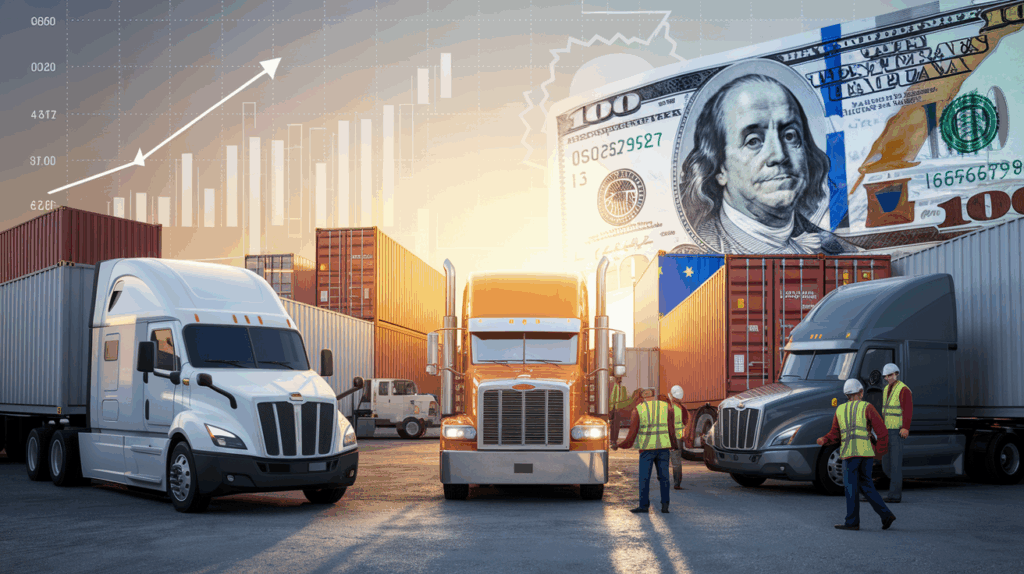
The trucking industry’s influence on the U.S. economy is far more significant than most people realize. Here are some eye-opening facts that highlight the industry’s economic importance:
- Massive Employment Numbers: As of 2025, the trucking industry employs over 7.5 million people in the United States. This includes not just drivers, but also mechanics, logistics specialists, and administrative staff. It’s one of the largest employment sectors in the country.
- Substantial GDP Contribution: Trucking contributes to nearly 5% of the U.S. Gross Domestic Product (GDP). To put this into perspective, that’s more than the entire agriculture sector.
- Essential for Business Operations: Almost 70% of all freight tonnage moved in the U.S. goes on trucks. Without trucking, many businesses would struggle to operate, highlighting the industry’s critical role in the supply chain.
- Revenue Generator: The trucking industry generates over $700 billion in annual revenue, making it a major economic powerhouse.
- Small Business Catalyst: More than 90% of trucking companies operate six or fewer trucks, showcasing how the industry supports small businesses and entrepreneurship.
These statistics demonstrate that trucking isn’t just about moving goods from point A to point B; it’s a crucial economic engine that drives growth, employment, and prosperity across the nation.
Technological Advancements in Modern Trucks
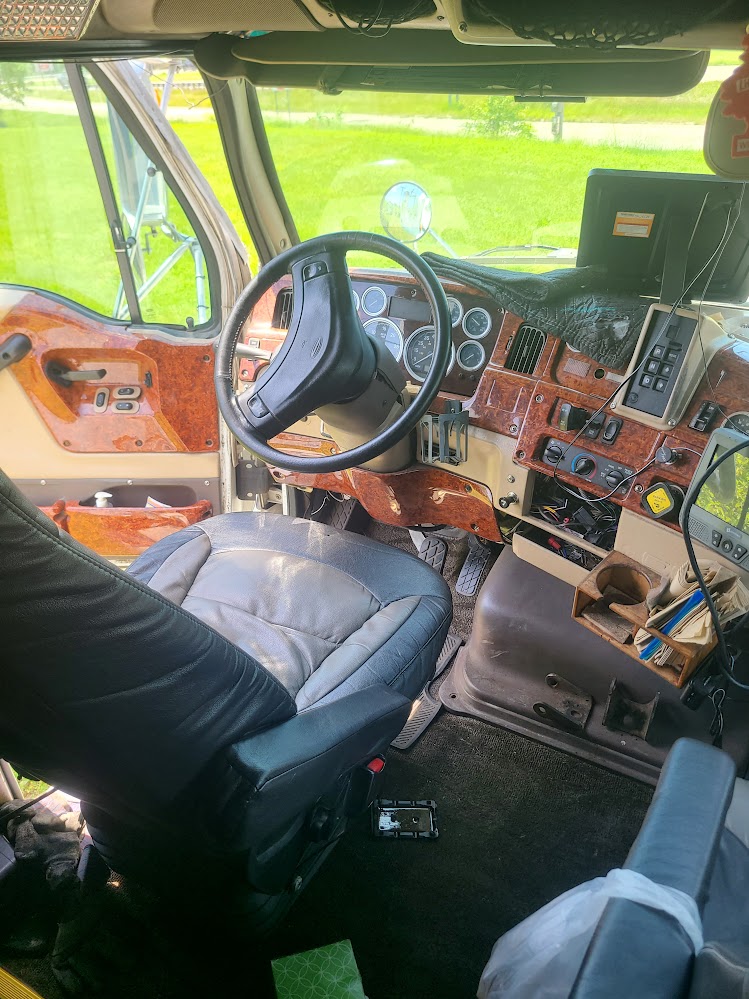
The image of a simple, no-frills truck cab is outdated. Today’s trucks are marvels of modern technology, equipped with advanced systems that enhance safety, efficiency, and driver comfort. Here are some technological advancements that might surprise you:
- Autonomous Features: While fully autonomous trucks are still in development, many modern trucks already incorporate semi-autonomous features. These include adaptive cruise control, lane departure warnings, and automatic emergency braking systems.
- Telematics: Advanced telematics systems provide real-time data on vehicle performance, driver behavior, and route optimization. This technology helps improve fuel efficiency, reduce maintenance costs, and enhance overall fleet management.
- Electric and Hydrogen-Powered Trucks: The trucking industry is at the forefront of adopting alternative fuel technologies. Major manufacturers are developing and deploying electric and hydrogen fuel cell trucks, aiming to reduce the industry’s carbon footprint.
- Advanced Connectivity: Modern trucks are equipped with high-speed internet connections, allowing for real-time communication, entertainment options for drivers during rest periods, and continuous software updates to onboard systems.
- Platooning Technology: This involves linking two or more trucks in a convoy using connectivity technology and automated driving support systems. The lead truck controls the speed and direction of the entire platoon, improving fuel efficiency and safety.
These technological advancements are transforming the trucking industry, making it more efficient, safer, and environmentally friendly than ever before.
Environmental Initiatives in the Trucking Industry
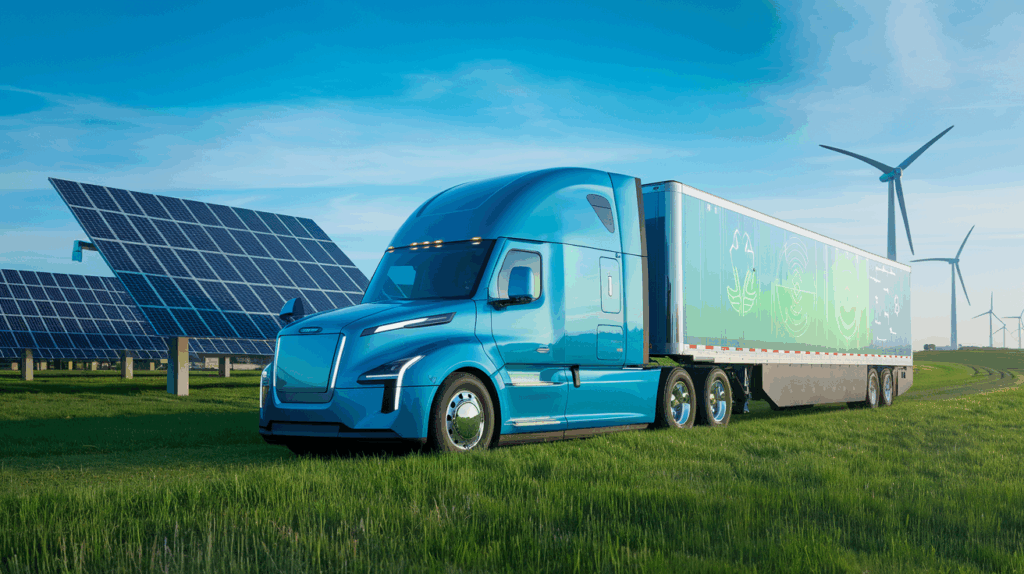
Contrary to popular belief, the trucking industry is making significant strides in reducing its environmental impact. Here are some surprising eco-friendly initiatives:
- SmartWay Program: The EPA’s SmartWay program, which many trucking companies participate in, has helped prevent 150 million tons of air pollution since its inception in 2004.
- Aerodynamic Designs: Modern trucks feature aerodynamic designs that can reduce fuel consumption by up to 15%. This includes features like side skirts, boat tails, and gap reducers.
- Alternative Fuels: Many trucking companies are adopting alternative fuels like biodiesel, natural gas, and even electric power. For instance, UPS has committed to purchasing 10,000 electric vehicles by 2025.
- Tire Innovations: Low rolling resistance tires and automatic tire inflation systems are becoming standard, improving fuel efficiency and reducing tire waste.
- Idle Reduction Technologies: Auxiliary power units (APUs) and truck stop electrification are helping to significantly reduce unnecessary idling, cutting emissions and fuel consumption.
These initiatives demonstrate the trucking industry’s commitment to sustainability and its proactive approach to reducing its environmental footprint.
The Role of Truckers in Disaster Relief

Truck drivers often play an unsung but crucial role in disaster relief efforts. Their contributions go far beyond regular freight transportation:
- First Responders: In many cases, truck drivers are among the first to arrive at disaster-stricken areas, bringing essential supplies like food, water, and medical equipment.
- Emergency Transport: Truckers often volunteer to transport emergency supplies and equipment to affected areas, sometimes at great personal risk.
- Evacuation Assistance: During hurricanes and other natural disasters, truckers have been known to assist in evacuation efforts, helping to transport people to safety.
- Mobile Command Centers: Some specialized trucks are equipped to serve as mobile command centers for disaster relief operations, providing crucial communication and coordination capabilities.
- Long-Term Recovery: After the immediate crisis, truckers continue to play a vital role in long-term recovery efforts, transporting building materials and other supplies needed for reconstruction.
The trucking industry’s ability to mobilize quickly and efficiently makes it an invaluable asset in times of crisis, showcasing the humanitarian side of this essential profession.
Unique Truck Stop Culture and Amenities

Truck stops have evolved far beyond simple refueling stations. They’ve developed a unique culture and offer amenities that might surprise many:
- Luxury Showers: Many modern truck stops offer hotel-quality shower facilities, complete with fluffy towels and high-end toiletries.
- Fitness Centers: Recognizing the importance of driver health, some truck stops now include fully-equipped gyms and fitness centers.
- Movie Theaters: Believe it or not, some larger truck stops have small movie theaters, offering drivers entertainment during their mandatory rest periods.
- Gourmet Dining: While greasy spoon diners still exist, many truck stops now offer diverse, high-quality dining options, including healthy and gourmet choices.
- Pet Areas: With many truckers traveling with pets, truck stops have developed dedicated pet areas, including dog parks and pet washing stations.
- Medical Services: Some truck stops have on-site medical clinics, offering everything from basic check-ups to chiropractic services.
- Educational Opportunities: Recognizing the need for continuous learning, some truck stops offer classrooms where drivers can take courses or attend workshops.
These amenities reflect the evolving needs of truckers and the industry’s commitment to improving the quality of life for drivers on the road.
FAQ
Q: What percentage of goods in the US are transported by trucks?
A: Approximately 70% of all freight tonnage moved in the United States goes on trucks. This accounts for about 10.5 billion tons of freight annually.
Q: How many miles does an average trucker drive per year?
A: On average, a long-haul trucker drives between 100,000 to 110,000 miles per year. To put this into perspective, that’s equivalent to circling the Earth more than four times!
Q: What’s the most unusual cargo ever transported by truck?
A: While there have been many unusual cargoes, one of the most notable was a 65-foot, 3.5-ton inflatable rubber duck sculpture. It was transported across the United States for various art installations, drawing attention wherever it went.
Final Thoughts: Unsung Heroes of the Highway
As we’ve explored these amazing aspects of trucking, it becomes clear that this industry is far more complex, innovative, and impactful than most people realize. From its significant economic contributions to its adoption of cutting-edge technology, from its environmental initiatives to its crucial role in disaster relief, trucking touches nearly every aspect of our lives.
The next time you see a big rig on the highway, remember that it’s not just carrying goods – it’s part of an industry that’s driving economic growth, pushing technological boundaries, and playing a vital role in our society’s functioning. The truckers behind the wheel are more than just drivers; they’re skilled professionals navigating an ever-evolving industry.
As we look to the future, the trucking industry will undoubtedly continue to surprise and amaze us. With ongoing advancements in technology, a growing focus on sustainability, and an unwavering commitment to keeping our economy moving, trucking will remain an essential and fascinating part of our world. So, the next time someone asks you about trucking, you’ll have plenty of surprising facts to share about this remarkable industry.