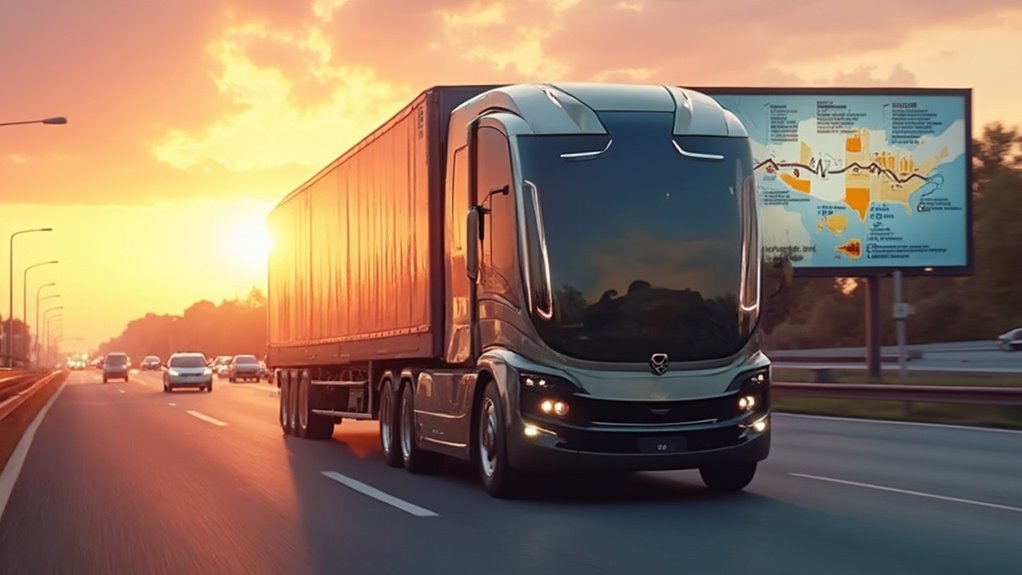
Imagine a world where trucks glide effortlessly along highways, much like the futuristic vehicles of sci-fi films. Driverless semi trucks aren’t just a concept; they’re becoming a reality, with significant advancements in technology paving the way. As these autonomous vehicles begin to reshape the logistics industry, you might wonder about the implications for safety, efficiency, and the economy. What challenges and opportunities lie ahead in this rapidly evolving landscape?
Key Takeaways
- Driverless semi trucks utilize advanced sensors and AI for navigation, making them a viable solution for modern freight transport.
- Successful highway tests and regulatory advancements indicate that autonomous trucking is becoming increasingly accepted and feasible.
- These trucks offer significant benefits, such as improved safety, efficiency, fuel savings, and reduced environmental impact.
- Remote operators oversee driverless trucks, ensuring human intervention is available when necessary, which addresses safety concerns.
- The logistics industry is evolving, and collaboration between human drivers and AI will enhance operations and reshape freight transportation.
Introduction to Driverless Semi Trucks
Driverless semi trucks represent a significant leap in transportation technology, combining advanced sensors and artificial intelligence to navigate roads with minimal human intervention.
These vehicles promise to enhance efficiency, reduce operational costs, and improve safety on highways.
As you explore this innovation, you’ll discover how it’s reshaping the logistics industry and what it means for the future of freight transport.
What Are Driverless Semi Trucks?
The future of transportation is being reshaped by semi trucks that operate without human drivers.
These self-driving semi trucks, also known as autonomous trucks, are revolutionizing the logistics industry.
Imagine a world where:
- Deliveries are faster and more efficient.
- Traffic congestion is reduced, leading to safer roads.
- Fuel consumption is optimized, lowering carbon footprints.
- Drivers can shift to more strategic roles, enhancing their work satisfaction.
The Evolution of Autonomous Trucking
As you explore the evolution of autonomous trucking, you’ll discover several key milestones that have shaped its journey.
From the first prototypes to today’s advanced systems, each development brings us closer to fully driverless semi trucks.
Understanding these critical advancements not only highlights the technology’s progress but also its potential impact on the transportation industry.
Key Milestones in Driverless Truck Development
Over the past decade, several key milestones have marked the journey toward fully autonomous trucking, transforming how goods are transported.
You mightn’t realize how quickly self-driving trucks are evolving. Here are some pivotal moments that highlight this exciting development:
- **First *Successful Highway Tests***: Early trials demonstrated the viability of automated trucking on highways.
- Regulatory Advances: States began adapting laws to allow for testing and deployment of self-driving trucks.
- Partnerships with Tech Companies: Collaborations between trucking firms and tech giants accelerated innovations in automated trucking.
- Public Acceptance: Growing awareness and acceptance of self-driving technology amongst consumers have paved the way for broader implementation.
These milestones signal a profound shift in logistics, offering the promise of efficiency and liberation from traditional constraints.
How Driverless Trucks Work
Driverless trucks rely on a sophisticated combination of sensors and artificial intelligence to navigate the roads safely.
These technologies gather real-time data, allowing the truck to make quick decisions, while remote operators can step in when needed.
Understanding how these components work together sheds light on the future of trucking and transportation.
Sensors, AI, and the Role of Remote Operators
While the technology behind driverless semi trucks may seem complex, it fundamentally relies on a combination of advanced sensors, artificial intelligence (AI), and remote operators to navigate the roads safely.
These elements work together harmoniously, enabling self-driving trucks to adapt to their environments effectively.
- Sensors detect obstacles, road conditions, and traffic signals.
- AI algorithms process data in real-time, making split-second decisions.
- Remote operators monitor the trucks, ready to intervene if necessary.
- Communication systems facilitate seamless interaction between vehicles and infrastructure.
This integration of autonomous vehicle technology transforms logistics, empowering you to embrace a future where efficiency and safety lead the way.
With each advancement, you’re stepping closer to a world where transportation is liberated from human error.
Benefits of Driverless Semi Trucks
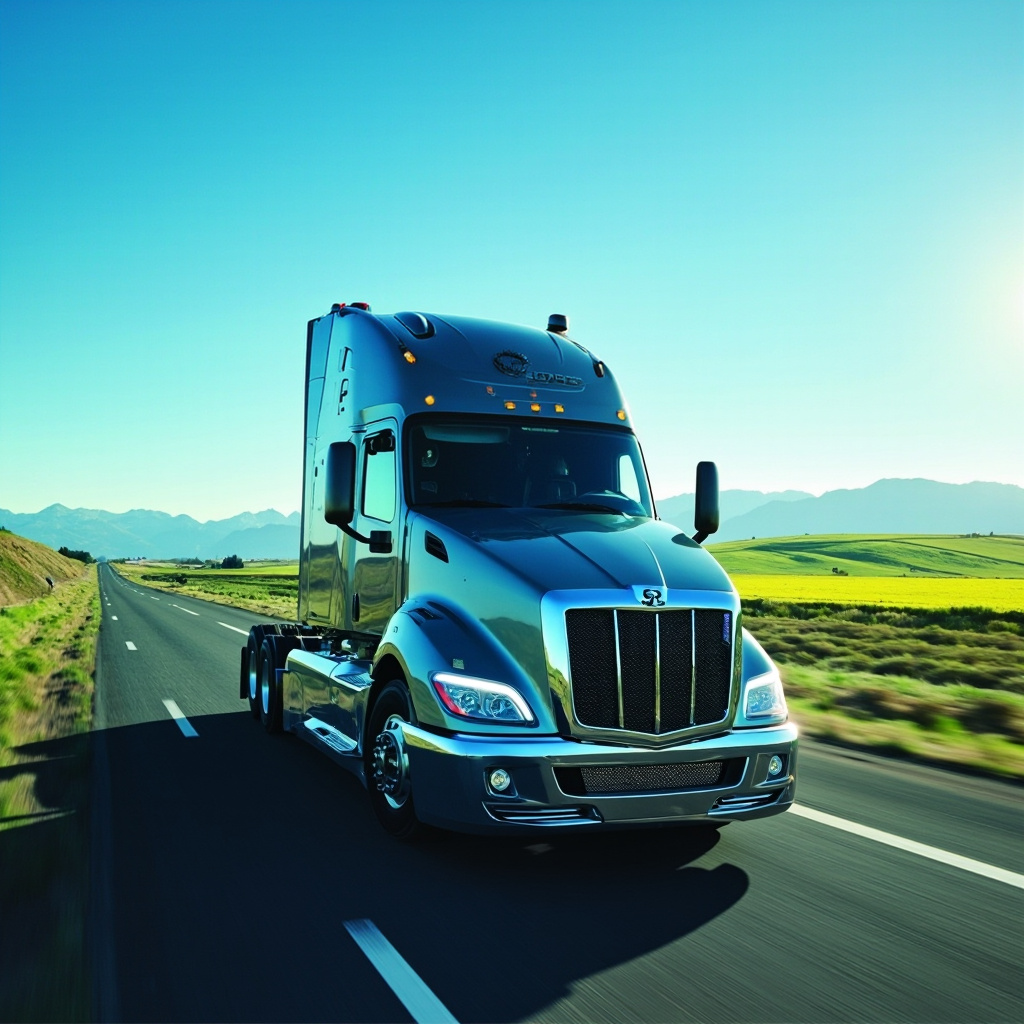
When you consider the benefits of driverless semi trucks, safety, efficiency, and fuel savings stand out as key advantages.
These autonomous vehicles can greatly reduce accidents caused by human error, optimize route planning for faster deliveries, and decrease fuel consumption through advanced technology.
As you explore these points, it’s clear that the future of trucking could be both safer and more cost-effective.
Safety, Efficiency, and Fuel Savings
As technology advances, the potential benefits of autonomous semi trucks become increasingly clear, particularly regarding safety, efficiency, and fuel savings.
By embracing self-driving trucks, you can look forward to a revolution in autonomous logistics that enhances your operations. Here’s what you can expect:
- Improved safety: Reduced human error leads to fewer accidents on the road.
- Increased efficiency: Optimized routes and constant operation minimize downtime.
- Fuel savings: Advanced algorithms enhance fuel management, cutting costs considerably.
- Environmental impact: Lower emissions contribute to a greener planet.
These benefits not only liberate your resources but also redefine the way goods are transported, paving the way for a smarter, more sustainable future in logistics.
Challenges Facing Driverless Truck Adoption
Adopting driverless semi trucks isn’t just about the technology; it also involves maneuvering through complex regulatory hurdles.
You’ll find that many laws and guidelines haven’t kept pace with advancements in automation, creating uncertainty for companies.
Additionally, while the technology shows promise, limitations still exist that can affect safety and reliability on the road.
Regulatory Hurdles, Technology Limitations
Despite the potential benefits of driverless semi trucks, significant regulatory hurdles and technology limitations pose substantial challenges to their widespread adoption. You might wonder how these issues can impede the progress of self-driving trucks and autonomous freight.
Here are some key factors to take into account:
- Varying regulations across states complicate implementation.
- Safety standards for autonomous vehicles are still being developed.
- Technological gaps in sensors and AI need addressing for reliability.
- Public perception and trust in self-driving technology remain low.
Navigating these hurdles is essential for the industry’s evolution.
Overcoming these challenges not only paves the way for safer roads but also enhances efficiency in freight transport, liberating us from traditional constraints.
Impact on Truck Driver Jobs
As driverless semi trucks become more prevalent, you might wonder which roles will still require human drivers.
While automation can handle long stretches of highway, tasks like maneuvering through urban environments, handling emergencies, and performing last-mile deliveries will still need a human touch.
Understanding these distinctions can help you see how the industry may evolve and what opportunities might remain for truck drivers.
What Roles Will Still Need Human Drivers?
While the rise of driverless semi trucks promises to revolutionize the logistics industry, certain roles will still require human drivers.
Self-driving trucks and autonomous trucks are advancing, but human oversight remains essential in several areas:
- Last-Mile Delivery: Steering through urban environments often requires human judgment.
- Complex Situations: Handling unexpected road conditions or emergencies still needs a human touch.
- Customer Interaction: Drivers often provide a personal connection, especially in service-heavy roles.
- Maintenance and Inspections: Human drivers play a crucial role in guaranteeing the vehicle’s condition before and after trips.
As technology evolves, embracing these human roles promotes safety and efficiency in a landscape increasingly shaped by innovation.
Your adaptability will be key in this transformative era.
Leading Companies in the Driverless Truck Race
In the race toward driverless semi trucks, companies like Kodiak and Aurora are leading the charge with innovative technologies and strategic partnerships.
You’ll find these players not only pushing the boundaries of automation but also shaping regulations and industry standards.
As competition heats up, understanding their approaches can offer valuable insights into the future of freight transportation.
Top Players Like Kodiak, Aurora, and Others
The race for driverless semi-trucks is heating up, with companies like Kodiak and Aurora leading the charge. These innovators are at the forefront of developing self-driving trucks and autonomous delivery trucks that promise to revolutionize the logistics industry.
You’ll want to keep an eye on these key players:
- Kodiak: Pioneering self-driving technology for freight transport.
- Aurora: Focused on building a robust autonomous driving platform.
- Waymo: Expanding its expertise into the trucking sector.
Each company brings unique solutions to the table, pushing boundaries and working towards a future where transportation is safer, more efficient, and liberating for businesses and consumers alike.
Real-World Tests and Pilot Programs
You might be surprised to learn that driverless trucks are already hitting the roads in various parts of the country.
Companies have initiated pilot programs in states like Arizona and Texas, testing their technology in real-world conditions. These trials not only showcase the vehicles’ capabilities but also provide valuable insights into their integration within the existing logistics infrastructure.
Where Are Driverless Trucks Already Operating?
Across the United States, several states are already witnessing the deployment of driverless semi trucks in real-world tests and pilot programs. Companies are pushing the boundaries of technology with autonomous trucks, aiming to revolutionize the logistics industry.
Here’s where you can find them in action:
- Arizona: Testing routes for long-haul deliveries.
- Texas: Pilot programs with major freight companies.
- California: Urban deliveries showcasing self-driving trucks.
- Florida: Trials on highways to assess efficiency and safety.
These initiatives aren’t just about innovation; they’re about transforming how goods move.
As these self-driving trucks integrate into our transportation networks, you might find yourself experiencing a new era of liberation in logistics. The future is undeniably on the road!
Common Misconceptions About Driverless Trucks
You might think driverless trucks are just a futuristic fantasy, but the reality is more nuanced.
Many misconceptions cloud the true capabilities and limitations of these vehicles.
Let’s break down the hype and see what’s really on the road ahead.
Separating Hype from Reality
While many people are excited about the potential of driverless semi trucks, it’s essential to sift through the hype and recognize the realities behind this technology.
Here are some common misconceptions that often arise:
- **Self-driving trucks are *fully autonomous***: Most are designed for specific routes, needing human oversight.
- **They’ll *eliminate all trucking jobs***: Automation will likely change jobs, not erase them entirely.
- Safety is guaranteed: Although they reduce human error, tech failures and unforeseen situations still pose risks.
- Deployment is imminent: Regulatory, logistical, and technological hurdles still need addressing before widespread adoption.
Understanding these realities helps you appreciate the journey of autonomous trucks and the transformative potential they hold for the industry.
The Future of Trucking: Human + AI Collaboration
In the future of trucking, you’ll find that human drivers and AI technology will work together seamlessly.
This collaboration will enhance safety, efficiency, and decision-making on the road.
As you adapt to these changes, you’ll discover new ways to leverage technology to improve your daily operations.
How Truckers Will Work With Technology
As technology continues to advance, the trucking industry is on the brink of a transformative shift where human drivers and AI will collaborate seamlessly.
You’ll find that self-driving trucks and autonomous trucks won’t replace you; instead, they’ll enhance your role.
Here’s how you’ll work with this technology:
- Route Optimization: AI will analyze traffic patterns, guiding you to the most efficient paths.
- Safety Monitoring: Autonomous systems will assist in maintaining safety, alerting you to potential hazards.
- Load Management: AI can help monitor loads, ensuring weight distribution and compliance.
- Rest Scheduling: Technology will manage your driving hours, optimizing your rest breaks for better well-being.
Frequently Asked Questions
How Do Driverless Semi Trucks Handle Adverse Weather Conditions?
Ever wondered how machines navigate storms? Driverless semi trucks utilize advanced sensors and AI to monitor weather, adjusting speed and routes dynamically. They’re designed to enhance safety, ensuring you can trust them in challenging conditions.
What Are the Legal Regulations for Driverless Trucking?
You’ll find legal regulations for driverless trucking vary by state and country. They often address safety standards, liability, and insurance requirements, ensuring both technological advancement and public safety are balanced in this evolving industry.
How Are Driverless Trucks Maintained and Repaired?
Maintaining and repairing driverless trucks involves regular software updates, hardware checks, and remote diagnostics. You’ll want to guarantee technicians are trained in technology, enabling quick responses to issues and minimizing downtime for efficient operations.
What Technology Powers the Sensors in Driverless Semi Trucks?
The magic behind driverless trucks lies in advanced sensors powered by LIDAR, radar, and cameras. These technologies work together harmoniously, allowing you to navigate complex environments with precision, ensuring safety and efficiency on the open road.
How Do Driverless Trucks Communicate With Each Other?
Driverless trucks use advanced communication systems, like V2V (vehicle-to-vehicle) technology, to share data about speed, direction, and obstacles. This real-time exchange helps you maintain safety and efficiency on the road, enhancing the overall driving experience.
Final Thoughts
As the horizon brightens with the promise of driverless semi trucks, imagine a highway where innovation and safety intertwine like threads in a tapestry. These autonomous vehicles aren’t just machines; they symbolize a future where efficiency drives progress. While challenges remain, the path ahead is illuminated by collaboration between humans and AI, paving the way for a transformative era in logistics. Embrace this change, and witness how it can redefine our journeys on the open road.